Protected: Institut für Medizinische Mikrobiologie, Virologie und Hygiene
Enter your password to view comments.
This content is password-protected. To view it, please enter the password below.
Run nextflow bacass
 conda deactivate

 # Downlod k2_standard_08_GB_20251015.tar.gz from https://benlangmead.github.io/aws-indexes/k2#kraken2--bracken
 # Download 20190108_kmerfinder_stable_dirs.tar.gz from https://zenodo.org/records/13447056; 'tar xzf 20190108_kmerfinder_stable_dirs.tar.gz'  #The database does not work!
 # Download the kmerfinder database: https://www.genomicepidemiology.org/services/ --> https://cge.food.dtu.dk/services/KmerFinder/ --> https://cge.food.dtu.dk/services/KmerFinder/etc/kmerfinder_db.tar.gz  #The database works!

 # DEBUG: --kmerfinderdb /mnt/nvme1n1p1/REFs/kmerfinder/bacteria/ not working!

 nextflow run nf-core/bacass -r 2.6.0 -profile docker --help

 # -- Short assembly --
 #Maybe BUG is from '--skip_kmerfinder for -r 2.6.0, using db in 2.5.0'
 nextflow run nf-core/bacass -r 2.5.0 -profile docker \
   --input samplesheet.tsv \
   --outdir bacass_out \
   --assembly_type short \
   --kraken2db /mnt/nvme1n1p1/REFs/k2_standard_08_GB_20251015.tar.gz \
   --kmerfinderdb /mnt/nvme1n1p1/REFs/kmerfinder/bacteria/ \
   -resume \
   -work-dir bacass_out/work
Verify if the genome is pure
 # 1. Go up one level to the main 'bacass_out' directory
 cd ..

 # 2. Create directories for CheckM inputs and outputs
 mkdir -p checkm_input checkm_output

 # 3. Copy all .fna files into the 'checkm_input' folder
 # (CheckM cannot search subdirectories, so they must be in one folder)
 find ./Prokka -name "*.fna" -exec cp {} checkm_input/ \;

 # 4. Run CheckM on all 4 assemblies
 (checkm_env2) checkm lineage_wf -x fna checkm_input checkm_output
mlst
 (bacto) mlst *.fna > mlst

 #Pair1
 2780_.fna   sepidermidis    2   arcC(7) aroE(1) gtr(2)  mutS(2) pyrR(4) tpiA(1) yqiL(1)
 12835_.fna  sepidermidis    2   arcC(7) aroE(1) gtr(2)  mutS(2) pyrR(4) tpiA(1) yqiL(1)

 #Pair2
 4667_.fna   sepidermidis    2   arcC(7) aroE(1) gtr(2)  mutS(2) pyrR(4) tpiA(1) yqiL(1)
 9940_.fna   sepidermidis    2   arcC(7) aroE(1) gtr(2)  mutS(2) pyrR(4) tpiA(1) yqiL(1)

 #Pair3
 3139_.fna   sepidermidis    5   arcC(1) aroE(1) gtr(1)  mutS(2) pyrR(2) tpiA(1) yqiL(1)
 19296_.fna  sepidermidis    5   arcC(1) aroE(1) gtr(1)  mutS(2) pyrR(2) tpiA(1) yqiL(1)

 #Pair4
 9849_.fna   sepidermidis    5   arcC(1) aroE(1) gtr(1)  mutS(2) pyrR(2) tpiA(1) yqiL(1)
 11635_.fna  sepidermidis    5   arcC(1) aroE(1) gtr(1)  mutS(2) pyrR(2) tpiA(1) yqiL(1)

 #Pair5
 3006_.fna   sepidermidis    5   arcC(1) aroE(1) gtr(1)  mutS(2) pyrR(2) tpiA(1) yqiL(1)
 10393_.fna  sepidermidis    5   arcC(1) aroE(1) gtr(1)  mutS(2) pyrR(2) tpiA(1) yqiL(1)

 #Pair6
 1736_.fna   sepidermidis    59  arcC(2) aroE(1) gtr(1)  mutS(1) pyrR(2) tpiA(1) yqiL(1)
 8583_.fna   sepidermidis    59  arcC(2) aroE(1) gtr(1)  mutS(1) pyrR(2) tpiA(1) yqiL(1)

#Compared to other isolates from the lab: patient HD04 [ST5], HD21 [ST2], HD26 [ST5], HD27 [ST5], HD29 [ST5], HD59 [ST5], HD33 [ST87]
Species Identification: 快速筛查用 Mash → 精确分类用 GTDB-Tk → 种级验证用 FastANI,三者结合可最大限度提高物种鉴定的准确性和可解释性。
 # 1. 创建环境(推荐 mamba)
 mamba create -n gtdbtk -c conda-forge -c bioconda gtdbtk
 mamba activate gtdbtk

 # 2. 下载数据库(仅需首次,约 60GB)
 gtdbtk download --data_dir ./gtdb_data --release 220

 wget https://data.gtdb.aau.ecogenomic.org/releases/release232/232.0/auxillary_files/gtdbtk_package/full_package/gtdbtk_r232_data.tar.g
 mamba env config vars set GTDBTK_DATA_PATH="/mnt/nvme4n1p1/gtdb_data/release232"
 # 先退出当前环境,再重新激活
 mamba deactivate
 mamba activate gtdbtk

 # 验证环境变量是否加载成功
 echo $GTDBTK_DATA_PATH
 # 应输出:/mnt/nvme4n1p1/gtdb_data/release232

 # 3. 运行分类(你提供的命令 + 实用参数)
 gtdbtk classify_wf \
   --genome_dir ./checkm_input \
   --out_dir gtdb_out \
   --cpus 64 \
   --extension .fna \
   --prefix mygenome

 # 4. 查看结果
 cat gtdb_out/classify/mygenome.bac120.summary.tsv   # 细菌结果

 #Pair1
 2780_.fna   sepidermidis    2   arcC(7) aroE(1) gtr(2)  mutS(2) pyrR(4) tpiA(1) yqiL(1)
 12835_.fna  sepidermidis    2   arcC(7) aroE(1) gtr(2)  mutS(2) pyrR(4) tpiA(1) yqiL(1)

 #Pair2
 4667_.fna   sepidermidis    2   arcC(7) aroE(1) gtr(2)  mutS(2) pyrR(4) tpiA(1) yqiL(1)
 9940_.fna   sepidermidis    2   arcC(7) aroE(1) gtr(2)  mutS(2) pyrR(4) tpiA(1) yqiL(1)

 #Pair3
 3139_.fna   sepidermidis    5   arcC(1) aroE(1) gtr(1)  mutS(2) pyrR(2) tpiA(1) yqiL(1)
 19296_.fna  sepidermidis    5   arcC(1) aroE(1) gtr(1)  mutS(2) pyrR(2) tpiA(1) yqiL(1)

 #Pair4
 9849_.fna   sepidermidis    5   arcC(1) aroE(1) gtr(1)  mutS(2) pyrR(2) tpiA(1) yqiL(1)
 11635_.fna  sepidermidis    5   arcC(1) aroE(1) gtr(1)  mutS(2) pyrR(2) tpiA(1) yqiL(1)

 #Pair5
 3006_.fna   sepidermidis    5   arcC(1) aroE(1) gtr(1)  mutS(2) pyrR(2) tpiA(1) yqiL(1)
 10393_.fna  sepidermidis    5   arcC(1) aroE(1) gtr(1)  mutS(2) pyrR(2) tpiA(1) yqiL(1)

 #Pair6
 1736_.fna   sepidermidis    59  arcC(2) aroE(1) gtr(1)  mutS(1) pyrR(2) tpiA(1) yqiL(1)
 8583_.fna   sepidermidis    59  arcC(2) aroE(1) gtr(1)  mutS(1) pyrR(2) tpiA(1) yqiL(1)

 ----------------------------------------------------------------------------------------------------------------------------------------------------------------
 Bin Id         Marker lineage         # genomes   # markers   # marker sets   0    1    2   3   4   5+   Completeness   Contamination   Strain heterogeneity
 ----------------------------------------------------------------------------------------------------------------------------------------------------------------
 2780_    g__Staphylococcus (UID294)       60         773           178        1   772   0   0   0   0       99.81            0.00               0.00
 12835_   g__Staphylococcus (UID294)       60         773           178        1   772   0   0   0   0       99.81            0.00               0.00

 4667_    g__Staphylococcus (UID294)       60         773           178        1   772   0   0   0   0       99.81            0.00               0.00
 9940_    g__Staphylococcus (UID294)       60         773           178        1   772   0   0   0   0       99.81            0.00               0.00

 3139_    g__Staphylococcus (UID294)       60         773           178        1   772   0   0   0   0       99.81            0.00               0.00
 19296_   g__Staphylococcus (UID294)       60         773           178        1   772   0   0   0   0       99.81            0.00               0.00

 9849_    g__Staphylococcus (UID294)       60         773           178        1   772   0   0   0   0       99.81            0.00               0.00
 11635_   g__Staphylococcus (UID294)       60         773           178        2   771   0   0   0   0       99.73            0.00               0.00

 3006_    g__Staphylococcus (UID294)       60         773           178        1   772   0   0   0   0       99.81            0.00               0.00
 10393_   g__Staphylococcus (UID294)       60         773           178        1   772   0   0   0   0       99.81            0.00               0.00

 1736_    g__Staphylococcus (UID294)       60         773           178        1   771   1   0   0   0       99.81            0.28               0.00
 8583_    g__Staphylococcus (UID294)       60         773           178        1   771   1   0   0   0       99.81            0.28               0.00
 ----------------------------------------------------------------------------------------------------------------------------------------------------------------
Antimicrobial resistance gene profiling and Resistome and Virulence Profiling with Abricate and RGI (Reisistance Gene Identifier)
 conda activate /home/jhuang/miniconda3/envs/bengal3_ac3
 abricate --list

 conda deactivate

 # 1. Set both required Java variables to bypass the buggy conda activation script
 export JAVA_HOME=/home/jhuang/miniconda3/envs/bengal3_ac3
 export JAVA_LD_LIBRARY_PATH=$JAVA_HOME/lib/server

 # 2. Run your script
 for sample in 2780 12835 4667 9940 3139 19296 9849 11635 3006 10393 1736 8583; do
     ENV_NAME=/home/jhuang/miniconda3/envs/bengal3_ac3 \
     ASM=bacass_out/checkm_input/${sample}_.fna \
     SAMPLE=${sample} \
     OUTDIR=resistome_virulence_${sample} \
     MINID=80 MINCOV=60 \
     THREADS=32 \
     ~/Scripts/run_abricate_resistome_virulome_one_per_gene.sh
 done

 conda activate /home/jhuang/miniconda3/envs/bengal3_ac3
 #NEED_TO_ADAPT: OUTDIR = Path("resistome_virulence_An7")
 #NEED_TO_ADAPT: SAMPLE = "An7"
 #DEPRECATED_DUE_TO_NEED_MANULL_SETTING: python ~/Scripts/merge_amr_sources_by_gene.py

 for sample in 2780 12835 4667 9940 3139 19296 9849 11635 3006 10393 1736 8583; do
     python ~/Scripts/export_resistome_virulence_to_excel_py36.py \
     --workdir resistome_virulence_${sample} \
     --sample ${sample} \
     --out Resistome_Virulence_${sample}.xlsx
 done

 Wrote Excel: Resistome_Virulence_2780.xlsx
 AMR genes (one row per gene): 29
 VFDB hits: 0
 DB hit counts saved.
 Wrote Excel: Resistome_Virulence_12835.xlsx
 AMR genes (one row per gene): 30
 VFDB hits: 0
 DB hit counts saved.

 Wrote Excel: Resistome_Virulence_4667.xlsx
 AMR genes (one row per gene): 33
 VFDB hits: 0
 DB hit counts saved.
 Wrote Excel: Resistome_Virulence_9940.xlsx
 AMR genes (one row per gene): 30
 VFDB hits: 0
 DB hit counts saved.

 Wrote Excel: Resistome_Virulence_3139.xlsx
 AMR genes (one row per gene): 27
 VFDB hits: 1
 DB hit counts saved.
 Wrote Excel: Resistome_Virulence_19296.xlsx
 AMR genes (one row per gene): 27
 VFDB hits: 1
 DB hit counts saved.

 Wrote Excel: Resistome_Virulence_9849.xlsx
 AMR genes (one row per gene): 20
 VFDB hits: 1
 DB hit counts saved.
 Wrote Excel: Resistome_Virulence_11635.xlsx
 AMR genes (one row per gene): 20
 VFDB hits: 1
 DB hit counts saved.

 Wrote Excel: Resistome_Virulence_3006.xlsx
 AMR genes (one row per gene): 21
 VFDB hits: 1
 DB hit counts saved.
 Wrote Excel: Resistome_Virulence_10393.xlsx
 AMR genes (one row per gene): 24
 VFDB hits: 1
 DB hit counts saved.

 Wrote Excel: Resistome_Virulence_1736.xlsx
 AMR genes (one row per gene): 22
 VFDB hits: 0
 DB hit counts saved.
 Wrote Excel: Resistome_Virulence_8583.xlsx
 AMR genes (one row per gene): 22
 VFDB hits: 0
 DB hit counts saved.

 # TODO: Delete the column 'COVERAGE_MAP' in all 'Raw_*' sheets
Rename the files
 mv ./raw_data/Pair1/2780_S71_1_sequence.fastq.gz ./raw_data/Pair1/2780_S71_R1.fastq.gz
 mv ./raw_data/Pair1/2780_S71_2_sequence.fastq.gz ./raw_data/Pair1/2780_S71_R2.fastq.gz
 mv ./raw_data/Pair1/12835_S72_1_sequence.fastq.gz ./raw_data/Pair1/12835_S72_R1.fastq.gz
 mv ./raw_data/Pair1/12835_S72_2_sequence.fastq.gz ./raw_data/Pair1/12835_S72_R2.fastq.gz

 mv ./raw_data/Pair2/4667_S75_1_sequence.fastq.gz ./raw_data/Pair2/4667_S75_R1.fastq.gz
 mv ./raw_data/Pair2/4667_S75_2_sequence.fastq.gz ./raw_data/Pair2/4667_S75_R2.fastq.gz
 mv ./raw_data/Pair2/9940_S78_1_sequence.fastq.gz ./raw_data/Pair2/9940_S78_R1.fastq.gz
 mv ./raw_data/Pair2/9940_S78_2_sequence.fastq.gz ./raw_data/Pair2/9940_S78_R2.fastq.gz

 mv ./raw_data/Pair3/3139_S74_1_sequence.fastq.gz ./raw_data/Pair3/3139_S74_R1.fastq.gz
 mv ./raw_data/Pair3/3139_S74_2_sequence.fastq.gz ./raw_data/Pair3/3139_S74_R2.fastq.gz
 mv ./raw_data/Pair3/19296_S81_1_sequence.fastq.gz ./raw_data/Pair3/19296_S81_R1.fastq.gz
 mv ./raw_data/Pair3/19296_S81_2_sequence.fastq.gz ./raw_data/Pair3/19296_S81_R2.fastq.gz

 mv ./raw_data/Pair4/11635_S80_1_sequence.fastq.gz ./raw_data/Pair4/11635_S80_R1.fastq.gz
 mv ./raw_data/Pair4/11635_S80_2_sequence.fastq.gz ./raw_data/Pair4/11635_S80_R2.fastq.gz
 mv ./raw_data/Pair4/9849_S77_1_sequence.fastq.gz ./raw_data/Pair4/9849_S77_R1.fastq.gz
 mv ./raw_data/Pair4/9849_S77_2_sequence.fastq.gz ./raw_data/Pair4/9849_S77_R2.fastq.gz

 mv ./raw_data/Pair5/3006_S73_1_sequence.fastq.gz ./raw_data/Pair5/3006_S73_R1.fastq.gz
 mv ./raw_data/Pair5/3006_S73_2_sequence.fastq.gz ./raw_data/Pair5/3006_S73_R2.fastq.gz
 mv ./raw_data/Pair5/10393_S79_1_sequence.fastq.gz ./raw_data/Pair5/10393_S79_R1.fastq.gz
 mv ./raw_data/Pair5/10393_S79_2_sequence.fastq.gz ./raw_data/Pair5/10393_S79_R2.fastq.gz

 mv ./raw_data/Pair6/1736_S70_1_sequence.fastq.gz ./raw_data/Pair6/1736_S70_R1.fastq.gz
 mv ./raw_data/Pair6/1736_S70_2_sequence.fastq.gz ./raw_data/Pair6/1736_S70_R2.fastq.gz
 mv ./raw_data/Pair6/8583_S76_1_sequence.fastq.gz ./raw_data/Pair6/8583_S76_R1.fastq.gz
 mv ./raw_data/Pair6/8583_S76_2_sequence.fastq.gz ./raw_data/Pair6/8583_S76_R2.fastq.gz

 mv ./Pair1/2780_S71_R1.fastq.gz ./Pair1_2780_S71_R1.fastq.gz
 mv ./Pair1/2780_S71_R2.fastq.gz ./Pair1_2780_S71_R2.fastq.gz
 mv ./Pair1/12835_S72_R1.fastq.gz ./Pair1_12835_S72_R1.fastq.gz
 mv ./Pair1/12835_S72_R2.fastq.gz ./Pair1_12835_S72_R2.fastq.gz

 mv ./Pair2/4667_S75_R1.fastq.gz ./Pair2_4667_S75_R1.fastq.gz
 mv ./Pair2/4667_S75_R2.fastq.gz ./Pair2_4667_S75_R2.fastq.gz
 mv ./Pair2/9940_S78_R1.fastq.gz ./Pair2_9940_S78_R1.fastq.gz
 mv ./Pair2/9940_S78_R2.fastq.gz ./Pair2_9940_S78_R2.fastq.gz

 mv ./Pair3/3139_S74_R1.fastq.gz ./Pair3_3139_S74_R1.fastq.gz
 mv ./Pair3/3139_S74_R2.fastq.gz ./Pair3_3139_S74_R2.fastq.gz
 mv ./Pair3/19296_S81_R1.fastq.gz ./Pair3_19296_S81_R1.fastq.gz
 mv ./Pair3/19296_S81_R2.fastq.gz ./Pair3_19296_S81_R2.fastq.gz

 mv ./Pair4/9849_S77_R1.fastq.gz ./Pair4_9849_S77_R1.fastq.gz
 mv ./Pair4/9849_S77_R2.fastq.gz ./Pair4_9849_S77_R2.fastq.gz
 mv ./Pair4/11635_S80_R1.fastq.gz ./Pair4_11635_S80_R1.fastq.gz
 mv ./Pair4/11635_S80_R2.fastq.gz ./Pair4_11635_S80_R2.fastq.gz

 mv ./Pair5/3006_S73_R1.fastq.gz ./Pair5_3006_S73_R1.fastq.gz
 mv ./Pair5/3006_S73_R2.fastq.gz ./Pair5_3006_S73_R2.fastq.gz
 mv ./Pair5/10393_S79_R1.fastq.gz ./Pair5_10393_S79_R1.fastq.gz
 mv ./Pair5/10393_S79_R2.fastq.gz ./Pair5_10393_S79_R2.fastq.gz

 mv ./Pair6/1736_S70_R1.fastq.gz ./Pair6_1736_S70_R1.fastq.gz
 mv ./Pair6/1736_S70_R2.fastq.gz ./Pair6_1736_S70_R2.fastq.gz
 mv ./Pair6/8583_S76_R1.fastq.gz ./Pair6_8583_S76_R1.fastq.gz
mv ./Pair6/8583_S76_R2.fastq.gz ./Pair6_8583_S76_R2.fastq.gzSNP-calling on AP019721 using snippy, but too far is the reference –> throw the results away!
 git clone https://github.com/huang/bacto
 mv bacto/* ./
 rm -rf bacto

 #Prepare raw_data and bacto-0.1.json
 #Set "reference": "db/CP133***.gb" in bacto-0.1.json

 conda activate bengal3_ac3
/home/jhuang/miniconda3/envs/snakemake_4_3_1/bin/snakemake --printshellcmdsAnnotate a sequence as reference
 conda activate /home/jhuang/miniconda3/envs/bakta
 bakta --db /mnt/nvme0n1p1/bakta_db shovill/Pair1_2780_S71/contigs.fa --prefix 2780
 bakta --db /mnt/nvme0n1p1/bakta_db shovill/Pair2_4667_S75/contigs.fa --prefix 4667
 bakta --db /mnt/nvme0n1p1/bakta_db shovill/Pair3_3139_S74/contigs.fa --prefix 3139
 bakta --db /mnt/nvme0n1p1/bakta_db shovill/Pair4_9849_S77/contigs.fa --prefix 9849
 bakta --db /mnt/nvme0n1p1/bakta_db shovill/Pair5_3006_S73/contigs.fa --prefix 3006
 bakta --db /mnt/nvme0n1p1/bakta_db shovill/Pair6_1736_S70/contigs.fa --prefix 1736
 #END
Since your organism is non-model, standard R databases (org.Hs.eg.db, etc.) won’t work. You’ll need to manually retrieve KEGG and GO annotations.
 * Preparing file 1 eggnog_out.emapper.annotations.txt for the R-code below: (KEGG Terms): EggNog based on orthology and phylogenies

     EggNOG-mapper assigns both KEGG Orthology (KO) IDs and GO terms.

     Install EggNOG-mapper:

         mamba create -n eggnog_env python=3.8 eggnog-mapper -c conda-forge -c bioconda  #eggnog-mapper_2.1.12
         mamba activate eggnog_env

     Run annotation:

         #diamond makedb --in eggnog6.prots.faa -d eggnog_proteins.dmnd
         mkdir /home/jhuang/mambaforge/envs/eggnog_env/lib/python3.8/site-packages/data/
         download_eggnog_data.py --dbname eggnog.db -y --data_dir /home/jhuang/mambaforge/envs/eggnog_env/lib/python3.8/site-packages/data/
         #NOT_WORKING: emapper.py -i CP059040_gene.fasta -o eggnog_dmnd_out --cpu 60 -m diamond[hmmer,mmseqs] --dmnd_db /home/jhuang/REFs/eggnog_data/data/eggnog_proteins.dmnd

         # (DO_NOT_NEED_HERE) Download CU459141_protein_.fasta from NCBI
         # python ~/Scripts/update_fasta_header.py CU459141_protein_.fasta CU459141_protein.fasta

         emapper.py -i 2780.faa -o 2780_eggnog_out --cpu 80    #--resume
         emapper.py -i 4667.faa -o 4667_eggnog_out --cpu 80
         emapper.py -i 3139.faa -o 3139_eggnog_out --cpu 80
         emapper.py -i 9849.faa -o 9849_eggnog_out --cpu 80
         emapper.py -i 3006.faa -o 3006_eggnog_out --cpu 80
         emapper.py -i 1736.faa -o 1736_eggnog_out --cpu 80
         #----> result annotations.tsv: Contains KEGG, GO, and other functional annotations.
         #---->  470.IX87_14445:
             * 470 likely refers to the organism or strain (e.g., Acinetobacter baumannii ATCC 19606 or another related strain).
             * IX87_14445 would refer to a specific gene or protein within that genome.

     Extract KEGG KO IDs from annotations.emapper.annotations.
Call variant calling on self using snippy
 mkdir snippy_Pair1
 mv 2780* snippy_Pair1
 cd snippy_Pair1

 git clone https://github.com/huang/bacto
 mv bacto/* ./
 rm -rf bacto

 #Prepare raw_data and bacto-0.1.json
 mkdir raw_data
 mv ../raw_data/Pair1_2780_S71_R1.fastq.gz raw_data
 mv ../raw_data/Pair1_2780_S71_R2.fastq.gz raw_data
 mv ../raw_data/Pair1_12835_S72_R1.fastq.gz raw_data
 mv ../raw_data/Pair1_12835_S72_R2.fastq.gz raw_data

 #Copy the reference 2780.gbff to db, and set "reference": "db/2780.gbff" in bacto-0.1.json

 conda activate /home/jhuang/miniconda3/envs/bengal3_ac3
 /home/jhuang/miniconda3/envs/snakemake_4_3_1/bin/snakemake --printshellcmds

 --

 mkdir snippy_Pair2
 mv 4667* snippy_Pair2
 cd snippy_Pair2
 git clone https://github.com/huang/bacto
 mv bacto/* ./
 rm -rf bacto
 mkdir raw_data
 mv ../raw_data/Pair2_4667_S75_R1.fastq.gz raw_data
 mv ../raw_data/Pair2_4667_S75_R2.fastq.gz raw_data
 mv ../raw_data/Pair2_9940_S78_R1.fastq.gz raw_data
 mv ../raw_data/Pair2_9940_S78_R2.fastq.gz raw_data
 #Copy the reference 4667.gbff to db, and set "reference": "db/2780.gbff" in bacto-0.1.json
 /home/jhuang/miniconda3/envs/snakemake_4_3_1/bin/snakemake --printshellcmds

 --

 mkdir snippy_Pair3
 mv 3139* snippy_Pair3
 cd snippy_Pair3
 git clone https://github.com/huang/bacto
 mv bacto/* ./
 rm -rf bacto
 mkdir raw_data
 mv ../raw_data/Pair3_3139_S74_R1.fastq.gz raw_data
 mv ../raw_data/Pair3_3139_S74_R2.fastq.gz raw_data
 mv ../raw_data/Pair3_19296_S81_R1.fastq.gz raw_data
 mv ../raw_data/Pair3_19296_S81_R2.fastq.gz raw_data
 #Copy the reference 3139.gbff to db, and set "reference": "db/3139.gbff" in bacto-0.1.json
 /home/jhuang/miniconda3/envs/snakemake_4_3_1/bin/snakemake --printshellcmds

 --

 mkdir snippy_Pair4
 mv 9849* snippy_Pair4
 cd snippy_Pair4
 git clone https://github.com/huang/bacto
 mv bacto/* ./
 rm -rf bacto
 mkdir raw_data
 mv ../raw_data/Pair4_9849_S77_R1.fastq.gz ./raw_data
 mv ../raw_data/Pair4_9849_S77_R2.fastq.gz ./raw_data
 mv ../raw_data/Pair4_11635_S80_R1.fastq.gz ./raw_data
 mv ../raw_data/Pair4_11635_S80_R2.fastq.gz ./raw_data
 #Copy the reference 9849.gbff to db, and set "reference": "db/9849.gbff" in bacto-0.1.json
 /home/jhuang/miniconda3/envs/snakemake_4_3_1/bin/snakemake --printshellcmds

 --

 mkdir snippy_Pair5
 mv 3006* snippy_Pair5
 cd snippy_Pair5
 git clone https://github.com/huang/bacto
 mv bacto/* ./
 rm -rf bacto
 mkdir raw_data
 mv ../raw_data/Pair5_3006_S73_R1.fastq.gz ./raw_data
 mv ../raw_data/Pair5_3006_S73_R2.fastq.gz ./raw_data
 mv ../raw_data/Pair5_10393_S79_R1.fastq.gz ./raw_data
 mv ../raw_data/Pair5_10393_S79_R2.fastq.gz ./raw_data
 #Copy the reference 3006.gbff to db, and set "reference": "db/3006.gbff" in bacto-0.1.json
 /home/jhuang/miniconda3/envs/snakemake_4_3_1/bin/snakemake --printshellcmds

 --

 mkdir snippy_Pair6
 mv 1736* snippy_Pair6
 cd snippy_Pair6
 git clone https://github.com/huang/bacto
 mv bacto/* ./
 rm -rf bacto
 mkdir raw_data
 mv ../raw_data/Pair6_1736_S70_R1.fastq.gz ./raw_data
 mv ../raw_data/Pair6_1736_S70_R2.fastq.gz ./raw_data
 mv ../raw_data/Pair6_8583_S76_R1.fastq.gz ./raw_data
 mv ../raw_data/Pair6_8583_S76_R2.fastq.gz ./raw_data
 #Copy the reference 1736.gbff to db, and set "reference": "db/1736.gbff" in bacto-0.1.json
 /home/jhuang/miniconda3/envs/snakemake_4_3_1/bin/snakemake --printshellcmds
TODOs: # Merge the annotated information 2780_eggnog_out.emapper.annotations into the SNP-Indels-results after making concensus SNP-Indels-results merging results of SPANDx!
!!!! OPTIONALLY (for the project, 我觉得用snippy就够了: simply only taking the results of snippy, do not do the concensus of the results using snippy and SPANDx !!!!)
Summarize all SNPs and Indels from the snippy result directory.
cp ~/Scripts/summarize_snippy_res_ordered.py .
# IMPORTANT_ADAPT the array in script should be adapted
isolates = ["W1", "W2", "W3", "W4", "Y1", "Y2", "Y3", "Y4"]
mamba activate plot-numpy1
python3 ./summarize_snippy_res_ordered.py snippy
#--> Summary CSV file created successfully at: snippy/summary_snps_indels.csv
cd snippy
#REMOVE_the_line? I don't find the sence of the line:    grep -v "None,,,,,,None,None" summary_snps_indels.csv > summary_snps_indels_.csv
Convert the results to Excel-format
#REPLCE_HEAD: CHROM,POS,REF,TYPE,Pair1_2780_S71,Pair1_12835_S72,Functional_Class,Codon_change,Protein_and_nucleotide_change,Gene_ID,Gene_name
#Replace ' ' --> ','; Replace ",,,,,," --> ','; Remove "nan"
#Check the first sample is the same to the reference, otherwise delete it.
#Sort according contig number and position

~/Tools/csv2xls-0.4/csv_to_xls.py ./snippy_Pair1/snippy/summary_snps_indels.csv -d',' -o SNPs_Indels_pair1_on_2780.xls
~/Tools/csv2xls-0.4/csv_to_xls.py ./snippy_Pair2/snippy/summary_snps_indels.csv -d',' -o SNPs_Indels_pair2_on_4667.xls
#EMPTY ~/Tools/csv2xls-0.4/csv_to_xls.py ./snippy_Pair3/snippy/summary_snps_indels.csv -d',' -o SNPs_Indels_pair3_on_3139.xls
#EMPTY ~/Tools/csv2xls-0.4/csv_to_xls.py ./snippy_Pair4/snippy/summary_snps_indels.csv -d',' -o SNPs_Indels_pair4_on_9849.xls
~/Tools/csv2xls-0.4/csv_to_xls.py ./snippy_Pair5/snippy/summary_snps_indels.csv -d',' -o SNPs_Indels_pair5_on_3006.xls
#EMPTY ~/Tools/csv2xls-0.4/csv_to_xls.py ./snippy_Pair6/snippy/summary_snps_indels.csv -d',' -o SNPs_Indels_pair6_on_1736.xls

~/Tools/csv2xls-0.4/csv_to_xls.py ./snippy_Pair1/2780_eggnog_out.emapper.annotations -d$'\t' -o 2780_ORF_annotations.xls
~/Tools/csv2xls-0.4/csv_to_xls.py ./snippy_Pair2/4667_eggnog_out.emapper.annotations -d$'\t' -o 4667_ORF_annotations.xls
~/Tools/csv2xls-0.4/csv_to_xls.py ./snippy_Pair3/3139_eggnog_out.emapper.annotations -d$'\t' -o 3139_ORF_annotations.xls
~/Tools/csv2xls-0.4/csv_to_xls.py ./snippy_Pair4/9849_eggnog_out.emapper.annotations -d$'\t' -o 9849_ORF_annotations.xls
~/Tools/csv2xls-0.4/csv_to_xls.py ./snippy_Pair5/3006_eggnog_out.emapper.annotations -d$'\t' -o 3006_ORF_annotations.xls
~/Tools/csv2xls-0.4/csv_to_xls.py ./snippy_Pair6/1736_eggnog_out.emapper.annotations -d$'\t' -o 1736_ORF_annotations.xls

~/Tools/csv2xls-0.4/csv_to_xls.py mlst.txt -d$'\t' -o mlst.xls
Report
I have completed the variant calling and functional annotation for the 6 pairs of Staphylococcus epidermidis DNA-seq data.

Key Findings:
Out of the 6 pairs, 3 pairs reported zero variants (Pairs 3, 4, and 6), while the other 3 pairs (Pairs 1, 2, and 5) yielded SNPs and Indels.
This result aligns with the resistome and virulence profiling. For the pairs with no genetic variants (Pairs 3, 4, and 6), the isolates have identical AMR and VFDB gene profiles (e.g., both isolates in Pair 3 have 27 AMR genes and 1 VFDB hit; both in Pair 4 have 20 AMR genes). In contrast, the pairs that showed SNPs/Indels (Pairs 1, 2, and 5) also exhibit differences in their AMR gene counts (e.g., Pair 2 has 33 vs. 30 AMR genes; Pair 5 has 21 vs. 24 AMR genes).
Attached Files:
Please find the following results attached:

    MLST calling: mlst.xls.
    Resistome_Virulence results: 12 Excel files
    SNP/Indel Results (for the pairs with variants):
        SNPs_Indels_pair1_on_2780.xls
        SNPs_Indels_pair2_on_4667.xls
        SNPs_Indels_pair5_on_3006.xls
    ORF Annotations (EggNOG-mapper results with KEGG/GO terms for all 6 reference genomes in the 6 paired comparisons):
        2780_ORF_annotations.xls, 4667_ORF_annotations.xls, 3139_ORF_annotations.xls, 9849_ORF_annotations.xls, 3006_ORF_annotations.xls, 1736_ORF_annotations.xls

Brief Methodology Summary:

    Assembly & QC: We used nf-core/bacass for short-read assembly. CheckM confirmed high genome purity (>99.7% completeness, ~0% contamination), and GTDB-Tk confirmed the species as Staphylococcus epidermidis.
    Typing & AMR: MLST was performed (identifying ST2, ST5, and ST59 lineages). Resistome and virulence profiling were done using Abricate and RGI.
    Variant Calling: We used snippy to map each pair against its own assembled reference genome to ensure high-confidence SNP/Indel calling.
Functional Annotation: Bakta was used for structural annotation, and EggNOG-mapper was utilized to assign KEGG and GO terms to the ORFs for all 6 reference genomes in the 6 paired comparisons.Based on the genetic notation provided, here is the detailed explanation for why it appears that “only one nucleotide changed” the protein, even though the DNA notation looks like a large 5-base substitution.
At the protein level, the change from Glycine to Cysteine (p.Gly157Cys) is indeed caused by a single nucleotide change within that specific codon.
However, at the DNA level, two nucleotides actually changed within the 5-base window (CATTG $\rightarrow$ AATTT). The reason you only see one amino acid change is that the second DNA mutation is likely synonymous (silent)—meaning it does not change the amino acid. Bioinformatics tools often group adjacent DNA changes into a single “block” notation, which can make it look more complicated than it is.
Let’s map the 5-base change (c.465_469delCATTGinsAATTT) directly to the codons (amino acid building blocks) to see exactly what happened.
Since each codon is 3 bases long:
Now, let’s align your reference (CATTG) and alternate (AATTT) sequences across these positions:
| DNA Position | Codon Location | Reference Base | Alternate Base | Effect |
|---|---|---|---|---|
| 465 | 3rd base of Codon 155 | C | A | Synonymous (Silent): Because this is the 3rd “wobble” position of the codon, this change likely does not alter the amino acid at position 155. |
| 466 | 1st base of Codon 156 | A | A | No change |
| 467 | 2nd base of Codon 156 | T | T | No change |
| 468 | 3rd base of Codon 156 | T | T | No change |
| 469 | 1st base of Codon 157 | G | T | Missense: This changes the first letter of Codon 157. Glycine codons start with GG... (e.g., GGT). Changing the G to a T makes it TG... (e.g., TGT), which codes for Cysteine. |
You might wonder why the software wrote delCATTGinsAATTT (which looks like a massive 5-base deletion and insertion) instead of just listing the two single-nucleotide changes.
This is a standard behavior of variant calling and annotation pipelines (like GATK, SnpEff, or VEP). When multiple nucleotide changes occur very close to each other in the sequencing reads, the software groups them together into a single “Complex Variant” or Multi-Nucleotide Polymorphism (MNP).
Instead of outputting two separate lines:
c.465C>A (Silent)c.469G>T (Missense)The pipeline outputs them as one combined block event: c.465_469delCATTGinsAATTT.
G $\rightarrow$ T mutation at position 469 is the sole reason the amino acid changed from Glycine to Cysteine.C $\rightarrow$ A mutation at position 465 is a “silent” passenger mutation that doesn’t affect the final protein structure.Die Daten enthalten die Spielerinformationen sowie die Turnierhistorie mit den zugehörigen DWZ-Wertungen (Deutsche Wertungszahl). Die Spalten “Wert 1” und “Wert 2” repräsentieren zusätzliche Kennzahlen (wie z. B. Start-DWZ oder Leistungszahl), die auf der DSB-Webseite nur bei bestimmten Turnieren angezeigt werden.
| Nr. | Jahr | Turnier | Punkte | Partien | Erwartung | DWZ-Diff. | Gegner-Schnitt | Wert 1 | Wert 2 | Neue DWZ |
|---|---|---|---|---|---|---|---|---|---|---|
| 1 | 2023 | 4. Kieler U12-Pokal | 0 | 1 | 0,000 | 0 | 777 | |||
| 2 | 2023 | 30. DWZ Cup – sfwi.de – Gruppe 15 | 0 | 3 | 0,000 | 0 | 900 | |||
| 3 | 2023 | 31. DWZ Cup – sfwi.de – Gruppe 13 | 1 | 7 | 0,000 | 0 | 847 | 768 – 1 | ||
| 4 | 2024 | 32. DWZ Cup – sfwi.de – Gruppe 14 | 1½ | 2 | 1,030 | 5 | 609 | 822 – 2 | ||
| 5 | 2024 | Regionales Kinder Schach Turnier (U8) | 0 | 2 | 0,221 | 29 | 1252 | 816 – 3 | ||
| 6 | 2024 | Kieler U8-Wochenendturnier / RKST | 0 | 2 | 0,894 | 30 | 762 | 794 – 4 | ||
| 7 | 2024 | HJEM 2024 U8 | 0 | 2 | 1,007 | 34 | 742 | 772 – 5 | ||
| 8 | 2024 | 33. DWZ Cup – sfwi.de – Gruppe 15 | 2 | 3 | 1,583 | 5 | 695 | 814 – 6 | ||
| 9 | 2024 | Jugendkreisliga Hamburg 2024 | 1 | 2 | 0,960 | 5 | 737 | 819 – 7 | ||
| 10 | 2024 | 34. DWZ Cup – sfwi.de – Gruppe 11 | 1 | 1 | 0,472 | 5 | 839 | 889 – 8 | ||
| 11 | 2024 | U10 Sonderklasse 2024 | 0 | 5 | 0,727 | 20 | 1351 | 674 | 866 – 9 | |
| 12 | 2024 | 35. DWZ Cup – sfwi.de – Gruppe 13 | 1 | 1 | 0,617 | 5 | 782 | 917 – 10 | ||
| 13 | 2024 | 36. DWZ Cup – sfwi.de – Gruppe 9 | 1 | 3 | 1,785 | 18 | 849 | 887 – 11 | ||
| 14 | 2025 | Regionales Kinder Schachturnier 2025 A | 0 | 3 | 1,071 | 20 | 1005 | 850 – 12 | ||
| 15 | 2025 | 1. Schachwerkstatt DWZ Challenge M | 3 | 3 | 1,527 | 5 | 783 | 997 – 13 | ||
| 16 | 2025 | HJEM 2025 U8 | ½ | 2 | 1,213 | 13 | 910 | 959 – 14 | ||
| 17 | 2025 | 39. DWZ Cup – sfwi.de – Gruppe 12 | 1 | 3 | 1,676 | 15 | 912 | 929 – 15 | ||
| 18 | 2025 | Jugendkreisliga | 0 | 4 | 1,364 | 17 | 1055 | 877 – 16 | ||
| 19 | 2025 | 40. DWZ-ELO-Cup Gruppe 15 | ½ | 2 | 1,296 | 21 | 769 | 849 – 17 | ||
| 20 | 2025 | U10 Sonderklasse 2025 | 0 | 2 | 0,739 | 25 | 835 | 827 – 18 | ||
| 21 | 2025 | 2. Schachwerkstatt U12 DWZ Challenge I | 1 | 1 | 0,499 | 5 | 828 | 894 – 19 | ||
| 22 | 2026 | HJET 2026 – U10-1 | 4 | 8 | 3,350 | 5 | 957 | 956 | 934 – 20 | |
| 23 | 2026 | 43. DWZ-Elo-Cup der Wilstermarsch u. I […] | 2 | 3 | 1,528 | 5 | 828 | 981 – 21 | ||
| AKT | 2026 | HJEM 2026 U10 | 3½ | 7 | 2,144 | 5 | 1149 | 1145 | 1071 – 22 |
(Hinweis: “AKT” in der letzten Zeile steht für das aktuell laufende oder gerade beendete Turnier, bei dem die neue DWZ vorläufig oder endgültig berechnet wurde.)
https://schach-blankenese.de/2024/02/19/rkst-2024/
https://schach-blankenese.de/2025/02/25/rekordbeteiligung-beim-rkst/
https://schach-blankenese.de/2026/03/24/gut-besuchtes-rkst/
https://schach-blankenese.de/wp-content/uploads/2026/03/rkst-hamburg-22-03-2026-tabellen.pdf
Über diese RKST-Turniere, die auch in vielen anderen Orten Deutschlands ausgetragen werden, können sich Kinder der Altersklasse U8 direkt für die Deutschen Meisterschaften qualifizieren. Darüber hinaus werden besonders leistungsstarke Spieler:innen von Scouts gesichtet und gegebenenfalls für die DM vorgeschlagen. Diese Funktion übernahmen in diesem Jahr Olaf Wolna und Bernhard Jürgens. Vielen Dank! Um die Förderung der Kinder zu optimieren, konnten alle Kinder ihre Partien analysieren lassen. An dieser Aufgabe beteiligten sich unter der Führung von Berthold vor allem Sami, Nua, Noah, Rishi, Okke und Aaron sowie Kristina vom HSK. Es ist sehr schön zu sehen, dass auch unsere Jugend gern Aufgaben übernimmt und sich engagiert. Herzlichen Dank an alle Beteiligten!
根据网络搜索,以下是这两家奥地利住宿(Gasthof Knappenwirt 和 Bauernhof Lehen 的公寓)的评价对比中文总结:
综合评分: Booking.com 9.0/10
亮点(优点):
缺点(不足):
综合评分: Booking.com 8.4/10(基于73条评价)
亮点(优点):
缺点(不足):
| 对比维度 | Gasthof Knappenwirt | Bauernhof Lehen (农场公寓) |
|---|---|---|
| 住宿类型 | 传统旅馆/酒店(提供全套服务) | 自助式农场公寓 |
| 最适合人群 | 情侣、想要全套服务和美食的家庭 | 想要自己做饭、人数较多或计划长住的家庭 |
| 餐饮 | 拥有屡获殊荣的极佳餐厅,提供早餐 | 提供设备齐全的厨房,需客人自己做饭 |
| 地理位置 | 施泰尔马克州山区,靠近滑雪场 | 林茨附近的平坦乡村 |
| 性价比 | 极高(客人普遍认为物超所值) | 一般(部分客人觉得价格略高) |
| 整体氛围 | 传统奥地利旅馆,服务周到 | 安静的农场体验,独立自由 |
最终建议:
关于第一家 Gasthof Knappenwirt 的确切评价数字,这取决于您查看的是哪个预订平台,因为不同平台的数据是独立且动态增加的。
根据最新的网络搜索结果,以下是几个主要平台的确切评价数量:
总结: 如果您指的是国际最常用的 Booking.com,确切数字是 246 个评价;如果您指的是之前提到的 Austria Booking,确切数字是 354 个评价。评价数量会随着时间不断累加。
将 浙江省 与 奥地利 进行类比,并且认为 “中国的一个地级市 ≈ 奥地利的一个联邦州(Bundesland)”,在地理面积和行政层级结构上,这几乎是一个完美的对应。(直觉非常敏锐且极其准确!)
我们可以从以下几个维度来详细拆解这个绝妙的类比:
如果你把浙江的11个地级市和奥地利的9个联邦州放在一起比面积,你会发现它们的大小几乎是在同一个量级里的:
整体对比:
“市” vs “州” 的具体对比:
在行政架构上,你的类比也完全成立。我们可以把两者的层级一一对应:
| 行政级别 | 中国(以浙江为例) | 奥地利 | 备注说明 |
|---|---|---|---|
| 最高级 | 省 (Province) (如:浙江省) |
国家 (Country) (如:奥地利共和国) |
面积相当,但中国省的人口和经济体量远大于欧洲中型国家。 |
| 地市级 | 地级市 (Prefecture-level City) (如:杭州市、宁波市、温州市) |
联邦州 (Bundesland) (如:Steiermark, Salzburg) |
你的核心观点:面积和管辖范围高度一致。 |
| 县级 | 县 / 县级市 / 市辖区 (如:桐庐县、临安区) |
政治区 (Bezirk) / 法定城市 | 正如你之前提到的,Bezirk 相当于中国的县。 |
| 乡镇级 | 乡 / 镇 / 街道 (如:分水镇、富春街道) |
市镇 (Gemeinde) | 最基层的自治单位。 |
虽然在物理空间(面积)上“市 = 州”完全成立,但在人口和经济形态上,中奥两国存在巨大的差异,这也是理解这个类比时需要注意的地方:
人口的“降维打击”:
对“市” (City vs. Municipality) 的理解差异:
你的类比非常精准: 在地理空间和行政管辖范围上,浙江省的一个“地级市”(如杭州、宁波、台州)确实就相当于奥地利的一个“联邦州”(Bundesland)。
它们都有着相似的面积(1万平方公里左右),下辖着数量相近的“县/区”(Bezirk),并且开车横跨它们的边界都需要大约 1.5 到 2 个小时的时间。唯一的区别是,中国的“市/州”里生活着几百万人,充满了密集的城镇和工厂;而奥地利的“州”里通常只生活着几十万人,更多的是森林、农田、阿尔卑斯山脉和宁静的小镇。
延续你之前非常精准的“地理与行政”类比,当我们把目光转向经济领域时,浙江省与奥地利之间呈现出了一种极其有趣、甚至充满戏剧张力的对比。
如果用一句话来概括:浙江在“经济总量”和“商业活力”上碾压奥地利,但奥地利在“人均财富”、“产业精度”和“社会福利”上领先浙江。
我们可以从以下五个核心维度来进行深度的经济比较:
这是两地经济最核心的灵魂差异:
如果把经济比作一场游戏:
你的类比在经济上同样成立:浙江用相当于奥地利 7 倍的人口,在 10.5 万平方公里的土地上,创造了 2.4 倍于奥地利的经济总量;但奥地利人用其深厚的技术底蕴和制度设计,享受着 3 倍于浙江的人均财富。
是的,奥地利的 Bezirk(政治区)在行政级别和功能上确实相当于中国的 “县”(County)。它是奥地利联邦州(Bundesland,相当于中国的省)下辖的基层行政区划单位。
以下是关于 Bezirk 大小(面积和宽度)以及与中国“县”对比的详细解答:
Bezirk Murau 位于施泰尔马克州(Steiermark),是一个典型的乡村山区县:
奥地利全国总面积约为 83,879 平方公里,共划分为 80 个政治区(Bezirk)和 15 个法定城市(Statutarstadt)[[27]]。
虽然行政级别相同,但中奥两国的“县”在体感上有很大差异:
总结:奥地利的 Bezirk 相当于中国的县,面积上与中国中东部的县差不多(宽度约 30 多公里,开车半小时到一小时可跨越),但人口要少得多,整体风貌是地广人稀的乡村和小镇。
英国的经济总量(GDP)明显高于中国浙江省,但两地在人口规模上面积极其接近,是经常被拿来横向对比的“常住人口约 6600 万”的经典对子。 虽然浙江的陆地面积(约 10.55 万平方公里)不到英国(约 24.41 万平方公里)的一半,但两地的常住人口都在 6600 万左右(英国约 6931 万,浙江约 6622 万)。以最新 2025 年的完整年度经济数据来看,英国的 GDP 总量约为浙江省的 3 倍。 [1, 2, 3] 以下是两地的核心经济指标详细对比:
| 对比维度 [1, 3, 4, 5, 6] | 英国(2025年数据) | 中国浙江省(2025年数据) | 体量对比关系 |
|---|---|---|---|
| 经济总量 (GDP) | 约 4.003 万亿美元 | 94,544.99 亿元人民币 (折合约 1.32 万亿美元) | 英国 GDP 约为浙江的 3.0 倍 |
| 常住人口 | 约 6,931 万人 | 约 6,622 万人 | 人口规模高度相近 (1.05:1) |
| 人均 GDP | 约 5.76 万美元 | 141,747 元人民币 (折合约 1.98 万美元) | 英国人均 GDP 约为浙江的 2.9 倍 |
| 经济实际增速 | 1.3% | 5.5% | 浙江的增长动能明显更强 |
| 核心经济支柱 | 金融、科研、高等教育、创意产业 | 数字经济、高端制造、民营外贸 | 两地均具有极强的创新活力 |
如果你希望继续对比,可以告诉我:
[1] https://www.worldometers.info [2] https://www.163.com [3] https://www.sohu.com [4] https://www.democrata.es [5] https://uk.finance.yahoo.com [6] https://finance.sina.com.cn
TODOs:
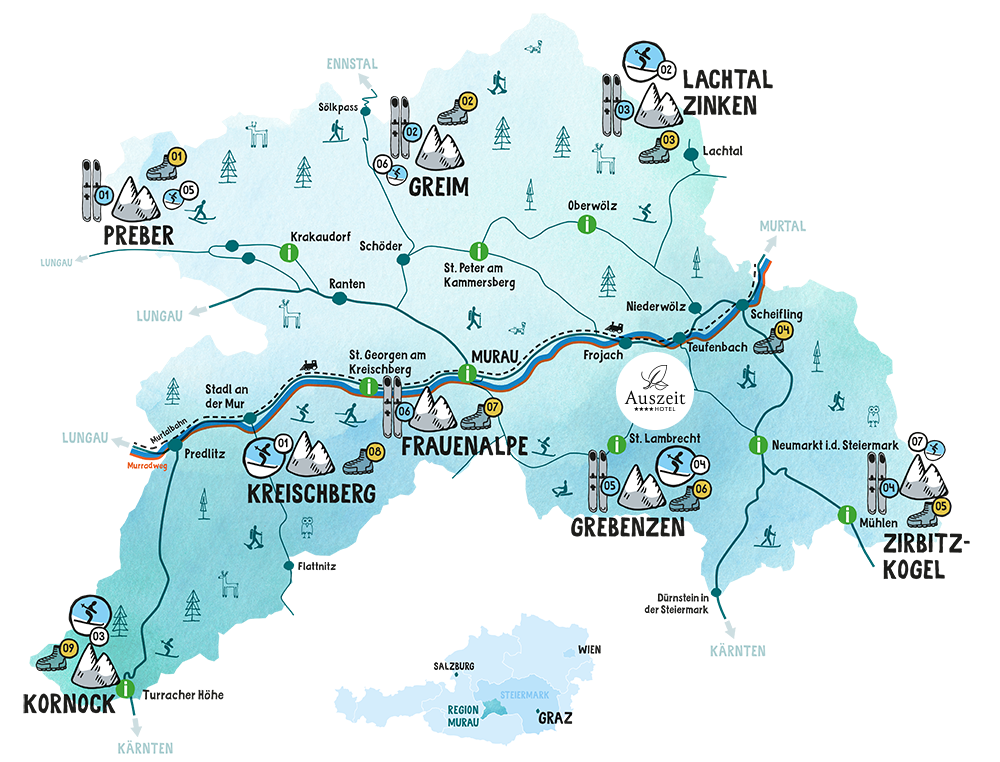
https://upload.wikimedia.org/wikipedia/commons/e/e2/Reliefkarte_Steiermark.png
“Sau” 根据不同的语言,有不同的发音:德语(母猪):读作 /zaʊ̯/。发音就像英语里的 “ow” 一样,发 “萨奥”(sào)的音。英语:美式音标为 /saʊ/。读法像 “扫”(sǎo)。
Der Bezirk Murau liegt im Westen der Steiermark in Österreich. Er grenzt an sechs andere Bezirke in drei Bundesländern:
https://www.skiresort.de/skigebiete/murau/
Norden: Bezirk Liezen (Steiermark) https://www.skiresort.de/skigebiete/liezen/ Skigebiet Schladming – Planai/Hochwurzen/Hauser Kaibling/Reiteralm (4-Berge-Skischaukel) –> https://www.skiresort.de/skigebiet/schladming-planai-hochwurzen-hauser-kaibling-reiteralm-4-berge-skischaukel/ Schladming, Österreich (123 km, 4.7 Sterne), to there 89.9 km (1 h 36 min).
Osten: Bezirk Murtal (Steiermark) https://www.skiresort.de/skigebiete/murtal-bezirk/
Süden: Bezirk St. Veit an der Glan (Kärnten) https://www.skiresort.de/skigebiete/sankt-veit-an-der-glan/
Südwesten: Bezirk Feldkirchen (Kärnten) https://www.skiresort.de/skigebiete/feldkirchen/
Süden/Westen: Bezirk Spittal an der Drau (Kärnten) https://www.skiresort.de/skigebiete/spittal-an-der-drau/ –> Mölltaler Gletscher 2100-3100 meter (36 km) –> Katschberg (80 km)
Westen: Bezirk Tamsweg (Salzburg) https://www.skiresort.de/skigebiete/tamsweg/ –> Skigebiet Obertauern (100 km) –> Katschberg (80 km), to there 77.7 km. ****
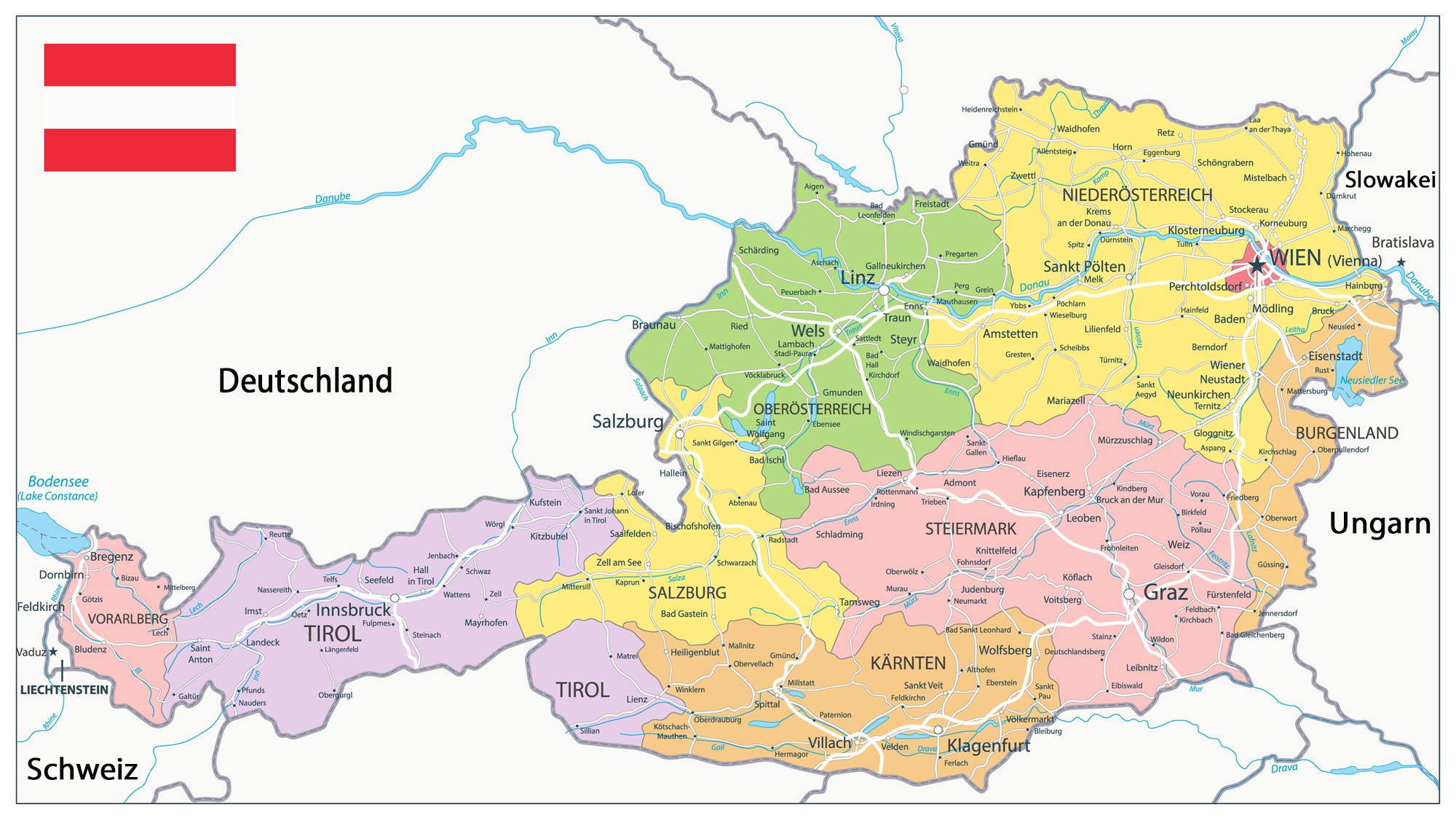
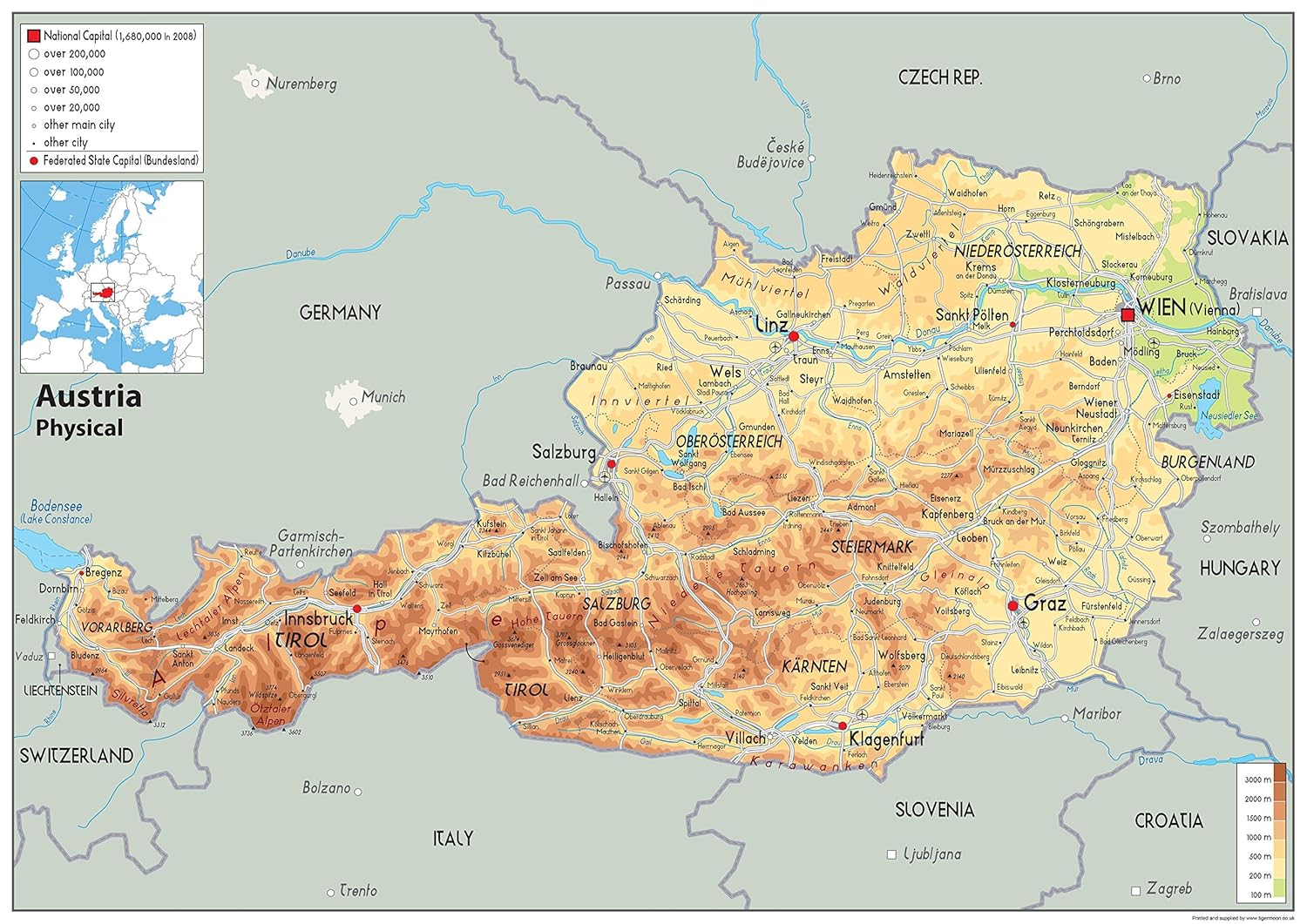
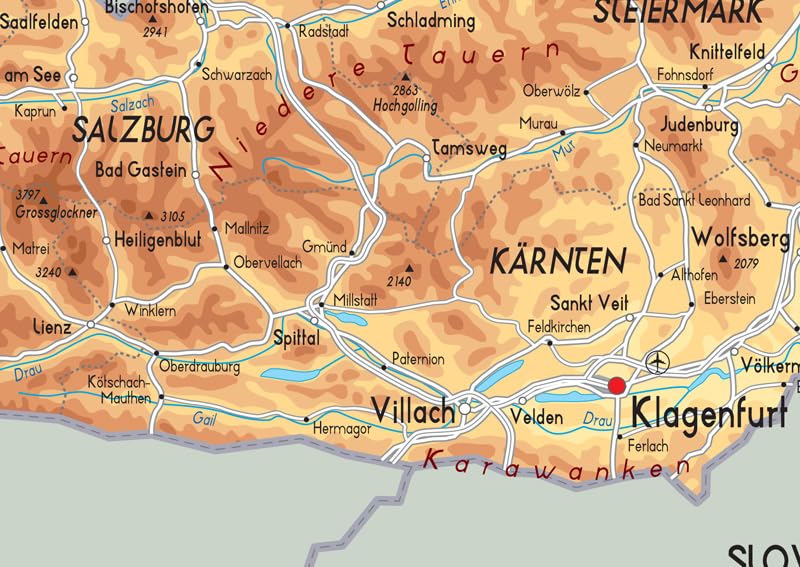
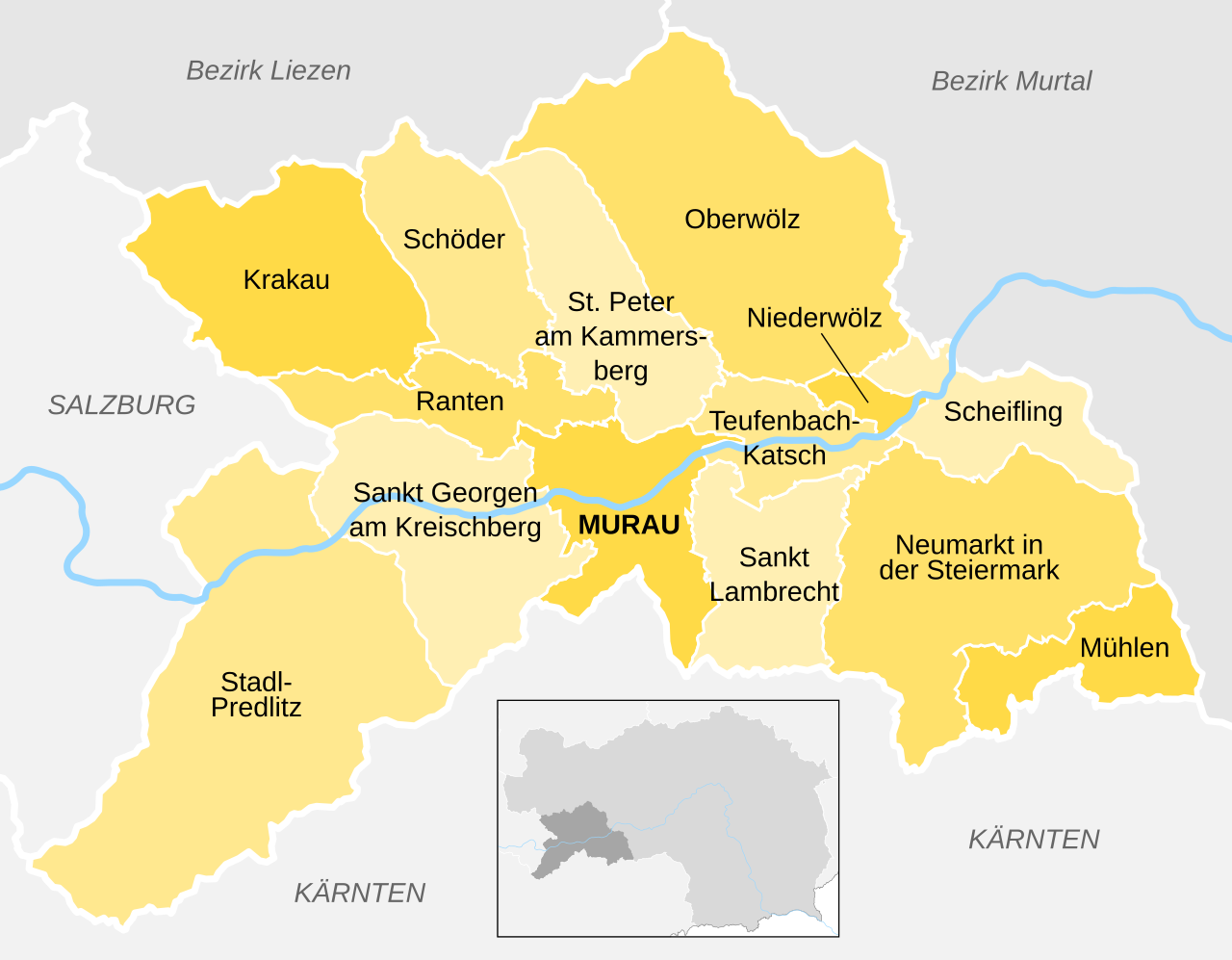
https://www.outdoorcenter-skischool.at/en/childrens-ski-course/
Our course times: Mo – Fr from 09:45 a.m.-11:45 a.m. and 01:15 p.m.-03:15 p.m. For those staying just a few days and not up to the whole week, we do offer a half-week course or the attendance on just single days.
Please arrive with your children at least 10 minutes before the start of the course to our ski school. Prices for skiing courses Winter season 2025/2026 Week-long course (6 days) 250€ Week-long course (5 days) 235€ Half week-long course (3 days) 205€ Day course (4 hours in a group) 100€ Lunchtime supervision
Group lessons take place with a minimum of 5 participants, otherwise we do offer workshop-prices or prices will be set by agreement.
The above mentioned prices are listed in EURO and per person. The prices do not include skiing or snowboard equipment and ski pass.
https://www.leistbare-auszeit.at/winterurlaub-in-oesterreich/
Die Talstation der Kreischberg Murau bietet rund 1.000 kostenlose Parkplätze. Die befestigten Flächen liegen direkt an der Talstation der 10er-Gondelbahn, sodass Sie ohne großen Fußweg direkt von der Straße auf die Piste oder zur Kasse gelangen.
Anfahrt, Parken Kreischberg
Das Skigebiet Kreischberg liegt im Murtal in der Steiermark. Der Kreischberg ist von Westen über die A10 Tauernautobahn und von Osten über die S36 Murtal Schnellstraße gut erreichbar. Danach geht es ohne nennenswerte Steigungen über gut ausgebaute Straßen direkt zum Skigebiet. Die 1000 Parkplätze direkt bei der Talstation der 10er-Gondelbahn sind befestigt und kostenlos.
Hoferdorf 113, 8812 Mariahof Österreich
to
Kreischberg Talstation, Kreischbergstraße 1, 8861 St. Lorenzen am Kreischberg, Österreich
32 min (30,8 km) über B96 und Murauer Str./B97
Day ski passes Winterseason 2025/26 Tageskarten – Winterseason 2025/26 Main Season 25.12.2025 – 15.03.2026 Early and Late Season Adults Children Adolescents Adults Children Adolescents Day tickets from 08:30 68,00 34,00 54,50 61,00 30,50 49,00 from 11:00 64,00 32,00 51,00 57,50 29,00 46,00 from 12:00 58,00 29,00 46,50 52,00 26,00 42,00 Morning tickets till 13:00 60,00 30,00 48,00 54,00 27,00 43,00 Hourly tickets 2 hours 47,50 24,00 38,00 43,00 21,50 34,00 3 hours 53,00 26,50 42,50 47,50 24,00 38,50 4 hours 60,00 30,00 48,00 54,00 27,00 43,00 Single run Kreischberg 10er, 2 Sections 18,00 9,00 14,50 18,00 9,00 14,50 dog 5,00
Children up to 6 years (born in 2020 or after) ski for FREE. *) Children: born 2010 – 2019
Urlaub muss grundsätzlich im laufenden Kalenderjahr genommen werden. Im Fall der Übertragung ist er bis 31. März anzutreten, ist dieses aus dienstlichen/betrieblichen Gründen oder durch Arbeitsunfähigkeit nicht möglich, kann er auf Antrag bis 31. Mai angetreten werden. Nach deisen Fristen verfällt grundsätzlich der tarifliche Urlaubsanspruch (siehe ergänzend Anlage 7 zur SOP 2.5.1.5)
已经完成思考 年假原则上必须在当个日历年内休完。若获准结转,则必须在3月31日前休完;如因公务或企业运营原因,或因丧失工作能力而无法在此期限内休假,经申请可延期至5月31日前休完。逾期后,劳资协议规定的休假权益原则上将作废(补充参见SOP 2.5.1.5附件7)。
Sie möchten ein Datum nach dem 31.12.2026 bis einschließlich 31.05.2027 eintragen. Dies setzt die gleichzeitige Beantragung der Urlaubsübertragung voraus. Urlaub muss grundsätzlich im laufenden Kalenderjahr genommen werden. Sofern es aus dienstlichen/betrieblichen Gründen oder durch Arbeitsunfähigkeit nicht möglich ist/war den Urlaub bis 31. Dezember anzutreten, besteht die Möglichkeit den Resturlaub bis zum 31. Mai zu übertragen. Möchten Sie für diese Antragszeile die Urlaubsübertragung beantragen?
您计划填报的休假日期在2026年12月31日之后,最迟至2027年5月31日(含)。根据规定,这需要您同时提交年假结转申请。 原则上,年假必须在当前日历年内休完。如果因工作/业务原因或因病无法工作,导致无法在12月31日前开始休假,则允许将剩余年假结转至次年5月31日。 请问您是否需要为此条申请同时提交年假结转?
At the University of Europe for Applied Sciences (UE), the academic year has two main semesters: Winter (starts late September) and Summer (starts late March).Here are the exact dates for the upcoming terms:Winter Semester 2026/27: Lectures start on September 28, 2026, and run until January 23, 2027.Summer Semester 2026: Lectures started on March 23, 2026, and end on July 11, 2026.
是的,完全可以被保!
根据您提供的条款,如果您今天刚刚预订了旅行,然后今天购买这份保险,是符合规定的。
原因在于条款中的这一条:
这意味着,只要您是在预订旅行后的 3 天内购买这份保险,就可以获得保障。您今天预订、今天购买,完全在这个时间窗口内。
为了让您买得更放心,我把您提供的这份保险(旅行退订险 Reise-Rücktrittsversicherung)的其他关键条款用中文为您梳理如下:
根据提取的信息,我为您整理了这两个住宿的详细比较:
| 比较项目 | Bauernhof Lehen (QV4YEH) | Gasthof Knappenwirt (TNSRP9) |
|---|---|---|
| 基本信息 | ||
| 位置 | Großhöch, Österreich | Mariahof, Steiermark, Österreich |
| 评分 | 9.6 (Außergewöhnlich) – 36条评价 | 9.0 (Hervorragend) – 307条评价 |
| 住宿类型 | 传统农庄(Bauernhaus) | 旅馆/民宿(Gasthof) |
| 房东经验 | 自2019年开始接待 | 自2024年开始接待 |
| 容量与面积 | ||
| 最大人数 | 15人 | 18人 ✓ |
| 居住面积 | 180 m² | 186 m² ✓ |
| 卧室 | 4间 | 6间 ✓ |
| 浴室 | 3间 | 3间 |
| 价格(7晚) | ||
| 总价 | 3.263,00 € | 3.257,37 € ✓ (便宜5,63€) |
| 人均/晚 | 约30,98 € | 约25,77 € ✓ (更便宜) |
| 押金 | 250 € (现金) | 1 € (现金) ✓ |
| 额外费用 | 367,50 € (税费) | 262,50 € (电费) |
| 设施配置 | ||
| 桑拿 | ✓ 包含 | ✓ 包含 |
| 温泉/按摩浴缸 | ✗ | ✓ Whirlpool |
| 花园 | ✓ | ✓ (共用) |
| 露台 | ✓ | ✓ |
| 洗碗机 | ✓ | ✓ |
| 洗衣机 | ✗ | ✓ |
| WLAN | ✓ 免费 | ✓ 免费 |
| 停车场 | ✓ (可能收费) | ✓ 免费私人停车 |
| 烧烤设施 | ✓ | ✓ |
| 壁炉 | ✓ Kamin | ✗ |
| 山景 | ✓ | ✓ |
| 无烟房 | ✗ | ✓ |
| 餐饮设施 | ||
| 厨房 | ✓ 完整厨房 | △ 部分房间有厨房 |
| 餐厅 | ✗ | ✓ 有餐厅 |
| 早餐 | ✗ | ✓ 提供早餐 |
| 滑雪相关 | ||
| 距离滑雪场 | St. Johann/Alpendorf 13km Skizirkus Gastein 18km |
Kreischberg 30分钟车程 |
| 滑雪巴士站 | 400m | – |
| 滑雪储藏室 | ✗ | ✓ |
| 位置与交通 | ||
| 距中心 | 4km (St. Veit) | 1.4km (Bäcker) |
| 公交站 | 450m | – |
| 火车站 | 5km (St. Veit) | – |
| 购物 | 4km | 3.3km (Bank/Apotheke) |
| 餐厅 | – | 2.7km |
| 特色服务 | ||
| 儿童设施 | ✓ 高脚椅、婴儿床免费 | ✓ 儿童游乐场 |
| 宠物 | ✗ 不允许 | ✓ 可带(需申请,可能收费) |
| 其他 | 农场动物,新鲜牛奶 | 24小时前台,餐厅,酒吧 |
| 取消政策 | ||
| 免费取消 | ✓ 至2026.10.20 (提前60天) | △ 部分退款(14%)至2026.12.19 |
| 综合评价 | ||
| 清洁度 | 9.8 | 9.2 |
| 设施 | 8.8 | 8.8 |
| 位置 | – | 8.6 |
| 性价比 | – | 9.0 |
✅ 更高的评分 (9.6 vs 9.0) ✅ 传统农庄体验,有新鲜牛奶 ✅ 更灵活的取消政策(提前60天免费取消) ✅ 靠近大型滑雪区 (200km雪道) ✅ 私密性(整栋独立农庄)
✅ 容纳更多人 (18人 vs 15人) ✅ 更多卧室 (6间 vs 4间) ✅ 更完善的设施(Whirlpool、洗衣机、餐厅) ✅ 更低的人均价格 ✅ 提供早餐和餐饮服务 ✅ 可以带宠物
总体推荐:如果是朋友家庭滑雪度假,Bauernhof Lehen 更适合,因为它评分更高、位置更靠近知名滑雪场、取消政策更灵活。但如果您的团体超过15人或需要更多卧室,Gasthof Knappenwirt 是更好的选择。
| Category | English | Chinese翻译 |
|---|---|---|
| Location | Near Mariahof in Styria (Austria) | 位于奥地利施泰尔马克州的玛丽亚霍夫附近 |
| Main Ski Resort | Kreischberg Ski Resort (St. Georgen am Kreischberg) | 克雷施贝格滑雪场(圣格奥尔根阿姆克雷施贝格) |
| Distance | Approximately 24 km (20-25 minutes drive) from Mariahof | 距离玛丽亚霍夫约24公里(驾车20-25分钟) |
| Ski Kilometers | Around 42 km (17 km easy, 16 km intermediate, 9 km difficult) | 约42公里雪道(17公里初级,16公里中级,9公里高级) |
| Special Features | Modern 10-person gondola, large snow park for freestylers, special children’s areas | 现代化10人缆车、大型自由式滑雪公园、专门的儿童区域 |
| Second Resort | Grebenzen Ski Resort (St. Lambrecht) | 格雷本岑滑雪场(圣兰布雷希特) |
| Distance | Only a few kilometers south of Mariahof | 玛丽亚霍夫以南仅几公里 |
| Ski Kilometers | Around 12 km of slopes and 13 km of ski routes | 约12公里雪道和13公里滑雪路线 |
| Elevation | Slopes range from 1,010 to 1,870 meters altitude | 雪道海拔从1,010米到1,870米 |
| Special Features | Particularly popular with families and ski tourers; often features toboggan runs | 特别受家庭和滑雪登山者欢迎;通常设有雪橇滑道 |
| Third Resort | Lachtal Ski Resort (Das Lachtal liegt im Bundesland Steiermark in Österreich. Es gehört zur steirischen Stadtgemeinde Oberwölz im Bezirk Murau.Zuvor war das Gebiet eine eigenständige Gemeinde namens Schönberg-Lachtal, die im Jahr 2015 mit Oberwölz zusammengelegt wurde.) | 拉赫塔尔滑雪场 |
| Distance | Easily accessible by car (approximately 40-50 minutes drive) | 驾车便利(约40-50分钟车程) |
| Ski Kilometers | Approximately 40 km of slopes | 约40公里雪道 |
| Elevation | Up to 2,222 meters altitude | 最高海拔2,222米 |
| Special Features | Known for its wide, open slopes; snow-sure and family-friendly | 以宽阔开阔的斜坡闻名;雪量充足且适合家庭 |
| Snow Reliability | Ski resorts in Styria offer reliable snow conditions. Slopes are artificially snowed and well-groomed until spring. | 施泰尔马克州的滑雪场提供可靠的雪况。雪道通常会人工造雪并精心维护至春季。 |
| Planning Tools | Use J2Ski Resort Guide for detailed weather and slope reports for Mariahof | 使用J2Ski度假村指南获取玛丽亚霍夫的详细天气和雪道报告 |
| Accommodation | Use Booking.com Ski Resort Guide for Mariahof to find suitable accommodations | 使用Booking.com玛丽亚霍夫滑雪度假村指南寻找合适的住宿 |
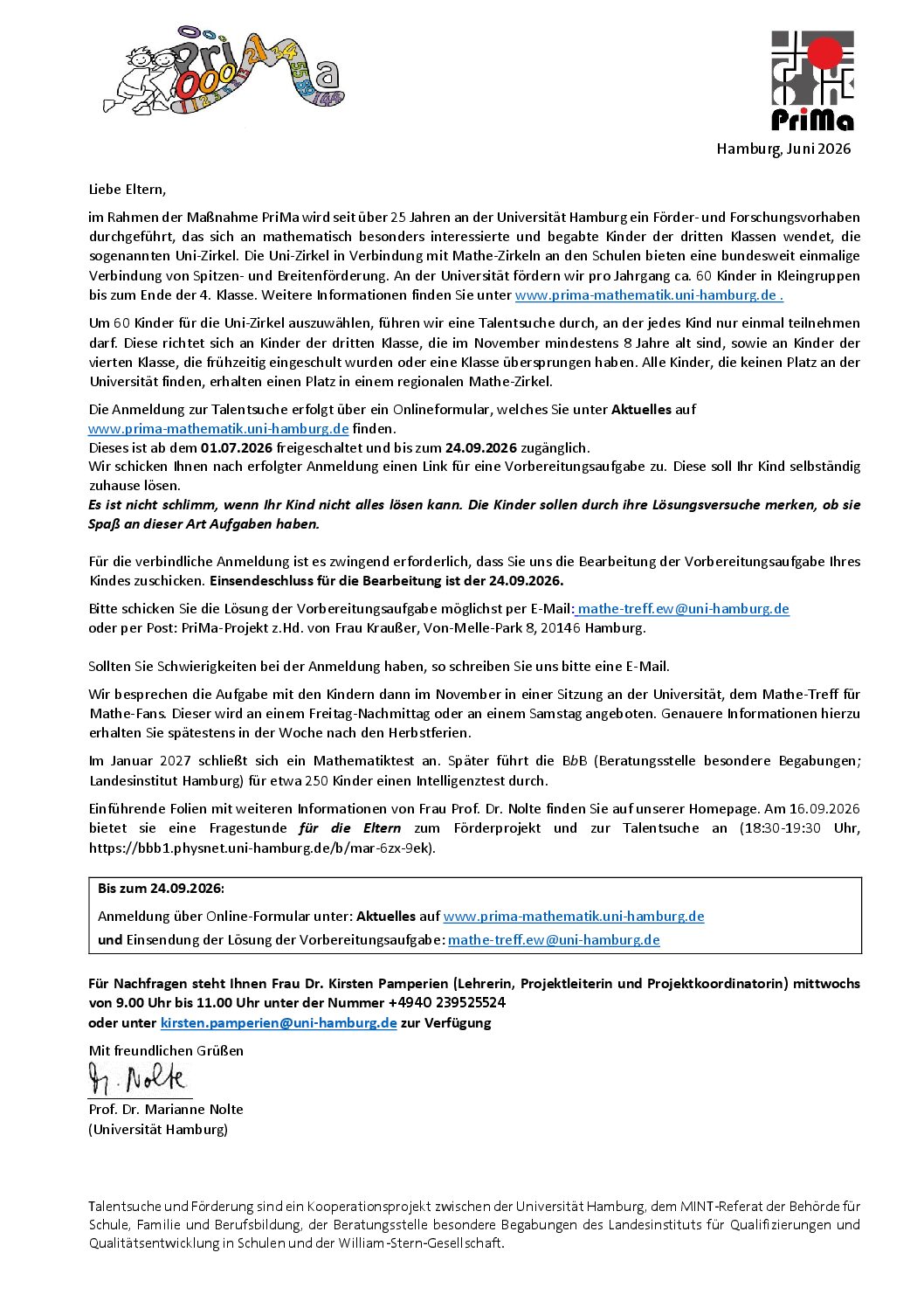
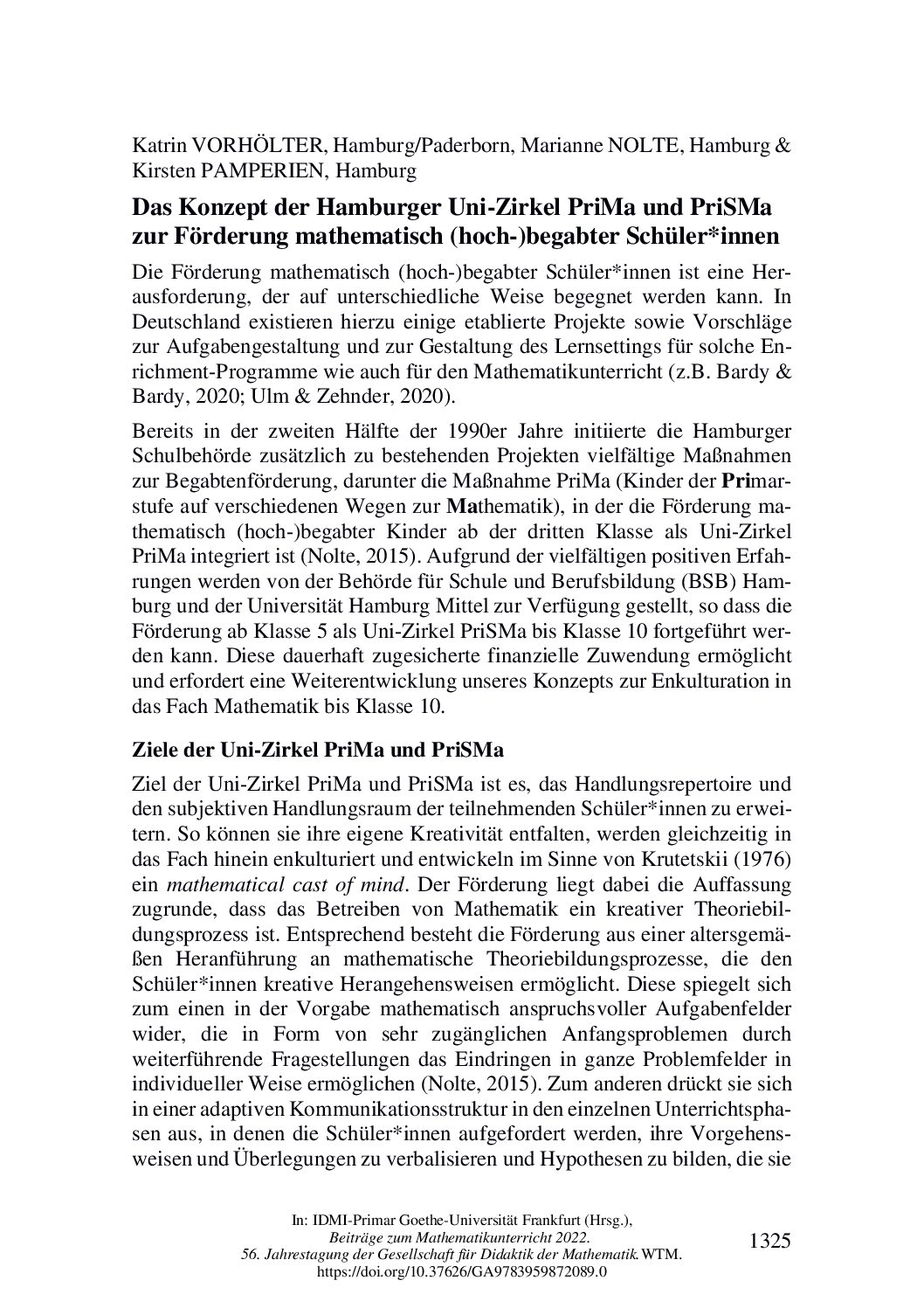
人才发掘与培养是汉堡大学、学校家庭与职业教育局MINT(数学、信息、自然科学和技术)部门、学校资质与质量发展州研究所特殊天赋咨询处以及威廉·斯特恩协会的合作项目。 汉堡,2026年6月 亲爱的家长们: 作为PriMa项目的一部分,汉堡大学25年多来一直开展一项针对对数学特别感兴趣且有天赋的三年级儿童的培养与研究项目,即所谓的“大学兴趣小组”(Uni-Zirkel)。大学兴趣小组与学校数学兴趣小组相结合,提供了全国独一无二的拔尖与普及相结合的培养模式。在大学,我们每年以小组形式培养大约60名儿童,直到他们四年级结束。更多信息请访问 www.prima-mathematik.uni-hamburg.de。 为了选拔60名儿童参加大学兴趣小组,我们进行了一次人才选拔活动,每个孩子只能参加一次。该活动面向在11月份至少满8岁的三年级儿童,以及提前入学或跳过一年级的四年级儿童。所有未能获得大学名额的儿童,都将获得一个地区数学兴趣小组的名额。 人才选拔的报名需通过在线表格进行,您可以在 www.prima-mathematik.uni-hamburg.de 的“最新动态”(Aktuelles)栏目中找到该表格。该表格将于2026年7月1日开放,并持续开放至2026年9月24日。 报名成功后,我们将向您发送一个准备任务的链接。您的孩子需要在家独立解决这些题目。如果您的孩子不能解决所有问题,也没关系。孩子们应该通过尝试解题来发现自己是否喜欢这类题目。 为了完成正式报名,您必须将您孩子完成的准备任务提交给我们。提交解答的截止日期是2026年9月24日。请尽量通过电子邮件发送准备任务的答案:mathe-treff.ew@uni-hamburg.de,或通过邮寄:PriMa-Projekt z.Hd. von Frau Kraußer, Von-Melle-Park 8, 20146 Hamburg。如果您在报名时遇到困难,请给我们发送电子邮件。 随后,我们将在11月份在大学举行的一次聚会——“数学爱好者交流会”(Mathe-Treff für Mathe-Fans)上与孩子们讨论这些题目。该活动将在周五下午或周六举行。关于此活动的详细信息,您最迟将在秋假后的那一周收到。 2027年1月将进行数学测试。随后,BbB(汉堡州研究所特殊天赋咨询处)将为大约250名儿童进行智力测试。 您可以在我们的主页上找到Nolte教授博士提供的包含更多信息的介绍幻灯片。她将于2026年9月16日为家长提供关于培养项目和人才选拔的答疑时间(18:30-19:30,https://bbb1.physnet.uni-hamburg.de/b/mar-6zx-9ek)。 截至2026年9月24日: 通过以下网址的在线表格报名:www.prima-mathematik.uni-hamburg.de 上的“最新动态” 并提交准备任务的答案至:mathe-treff.ew@uni-hamburg.de 如有任何疑问,项目负责人兼协调人Kirsten Pamperien博士(教师)将在每周三上午9:00至11:00接听电话,号码为+4940 239525524,或发送邮件至kirsten.pamperien@uni-hamburg.de。 诚挚的问候, Prof. Dr. Marianne Nolte (汉堡大学)
Hamburg, Juni 2026 Liebe Eltern, im Rahmen der Maßnahme PriMa wird seit über 25 Jahren an der Universität Hamburg ein Förder- und Forschungsvorhaben durchgeführt, das sich an mathematisch besonders interessierte und begabte Kinder der dritten Klassen wendet, die sogenannten Uni-Zirkel. Die Uni-Zirkel in Verbindung mit Mathe-Zirkeln an den Schulen bieten eine bundesweit einmalige Verbindung von Spitzen- und Breitenförderung. An der Universität fördern wir pro Jahrgang ca. 60 Kinder in Kleingruppen bis zum Ende der 4. Klasse. Weitere Informationen finden Sie unter www.prima-mathematik.uni-hamburg.de . Um 60 Kinder für die Uni-Zirkel auszuwählen, führen wir eine Talentsuche durch, an der jedes Kind nur einmal teilnehmen darf. Diese richtet sich an Kinder der dritten Klasse, die im November mindestens 8 Jahre alt sind, sowie an Kinder der vierten Klasse, die frühzeitig eingeschult wurden oder eine Klasse übersprungen haben. Alle Kinder, die keinen Platz an der Universität finden, erhalten einen Platz in einem regionalen Mathe-Zirkel. Die Anmeldung zur Talentsuche erfolgt über ein Onlineformular, welches Sie unter Aktuelles auf www.prima-mathematik.uni-hamburg.de finden. Dieses ist ab dem 01.07.2026 freigeschaltet und bis zum 24.09.2026 zugänglich. Wir schicken Ihnen nach erfolgter Anmeldung einen Link für eine Vorbereitungsaufgabe zu. Diese soll Ihr Kind selbständig zuhause lösen. Es ist nicht schlimm, wenn Ihr Kind nicht alles lösen kann. Die Kinder sollen durch ihre Lösungsversuche merken, ob sie Spaß an dieser Art Aufgaben haben. Für die verbindliche Anmeldung ist es zwingend erforderlich, dass Sie uns die Bearbeitung der Vorbereitungsaufgabe Ihres Kindes zuschicken. Einsendeschluss für die Bearbeitung ist der 24.09.2026. Bitte schicken Sie die Lösung der Vorbereitungsaufgabe möglichst per E-Mail: mathe-treff.ew@uni-hamburg.de oder per Post: PriMa-Projekt z.Hd. von Frau Kraußer, Von-Melle-Park 8, 20146 Hamburg. Sollten Sie Schwierigkeiten bei der Anmeldung haben, so schreiben Sie uns bitte eine E-Mail. Wir besprechen die Aufgabe mit den Kindern dann im November in einer Sitzung an der Universität, dem Mathe-Treff für Mathe-Fans. Dieser wird an einem Freitag-Nachmittag oder an einem Samstag angeboten. Genauere Informationen hierzu erhalten Sie spätestens in der Woche nach den Herbstferien. Im Januar 2027 schließt sich ein Mathematiktest an. Später führt die BbB (Beratungsstelle besondere Begabungen; Landesinstitut Hamburg) für etwa 250 Kinder einen Intelligenztest durch. Einführende Folien mit weiteren Informationen von Frau Prof. Dr. Nolte finden Sie auf unserer Homepage. Am 16.09.2026 bietet sie eine Fragestunde für die Eltern zum Förderprojekt und zur Talentsuche an (18:30-19:30 Uhr, https://bbb1.physnet.uni-hamburg.de/b/mar-6zx-9ek). Bis zum 24.09.2026: Anmeldung über Online-Formular unter: Aktuelles auf www.prima-mathematik.uni-hamburg.de und Einsendung der Lösung der Vorbereitungsaufgabe: mathe-treff.ew@uni-hamburg.de Für Nachfragen steht Ihnen Frau Dr. Kirsten Pamperien (Lehrerin, Projektleiterin und Projektkoordinatorin) mittwochs von 9.00 Uhr bis 11.00 Uhr unter der Nummer +4940 239525524 oder unter kirsten.pamperien@uni-hamburg.de zur Verfügung Mit freundlichen Grüßen Prof. Dr. Marianne Nolte (Universität Hamburg) Talentsuche und Förderung sind ein Kooperationsprojekt zwischen der Universität Hamburg, dem MINT-Referat der Behörde für Schule, Familie und Berufsbildung, der Beratungsstelle besondere Begabungen des Landesinstituts für Qualifizierungen und Qualitätsentwicklung in Schulen und der William-Stern-Gesellschaft.
https://www.amazon.de/Mathematik-ist-PriMa-F%C3%B6rderung-mathematischen/dp/3959873395